|
|











 |
 |
 |
 |
 |
 |
 |
Before You Sign: A Legal Breakdown of Real Estate Commission Agreements in Nevada
The excitement of buying or selling a home in Nevada is undeniable. It’s a landscape of opportunity, from the vibrant pulse of Las Vegas to the serene beauty of Lake Tahoe. But before you get to the finish line and the keys are in hand, you’ll be asked to sign one of the most important documents in the entire process: the real estate commission agreement.
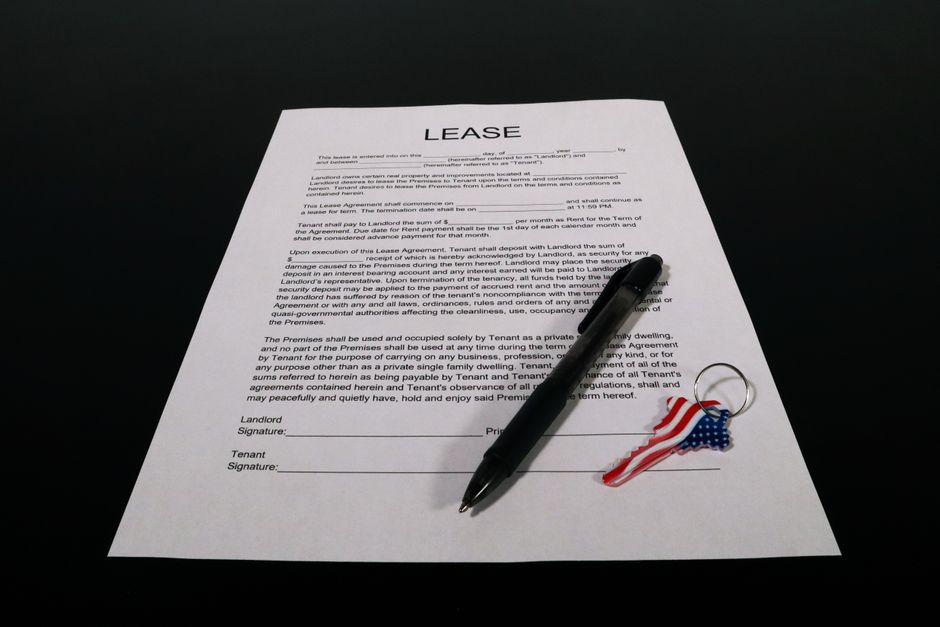
Many people treat this agreement as a standard formality, a piece of paper to be initialed and signed quickly to get the process moving. This is a significant mistake. This document dictates your agent’s payment, your legal obligations, and the terms of your professional relationship for months to come. It is a legally binding commitment.
At realestatelawnv.com, our expertise is in Nevada real estate law. We see firsthand the costly and stressful disputes that can arise from misunderstood agreements. Our goal is to provide you with the high-value legal insights needed to navigate this process confidently, transforming potential pitfalls into protected interests. This article will provide a legal breakdown of the key components of a Nevada real estate commission agreement, empowering you to understand exactly what you’re signing before your signature locks you into a contract.
Key Takeaways
- A commission agreement is a legally binding employment contract, not just a standard form.
- The commission rate is almost always negotiable in Nevada; there is no government-mandated “standard” rate.
- The “type” of listing agreement you sign, such as an “Exclusive Right to Sell,” dramatically affects who gets paid and when.
- Protection clauses, also known as “safety clauses” or “tail provisions,” can obligate you to pay a commission even after the agreement expires.
- Terminating an agreement early can be legally complex and may come with significant financial penalties.
- Having a Nevada real estate attorney review the agreement is the most effective way to protect your financial and legal interests.
TL;DR
A Nevada real estate commission agreement is a binding legal contract that defines payment, duties, and the term of your relationship with a real estate agent. Key terms like the commission rate, agreement type, and protection clauses are negotiable and can have significant financial consequences if not fully understood before you sign.
A Nevada Real Estate Commission Agreement is a Legally Binding Contract, Not Just a Formality
This opening claim establishes the core premise: this document has serious legal weight and demands your careful attention. It is the foundational document that governs your entire relationship with your real estate professional, and treating it as anything less than a serious contract is a risk to your financial well-being.
What is a Commission Agreement (or Listing Agreement)?
At its core, this document is a type of employment contract. It formalizes the relationship between you and the real estate brokerage.
Commission Agreement: An employment contract between you (the principal) and a real estate brokerage (the agent). It authorizes the brokerage and its affiliated agents to represent you in a real estate transaction and outlines the compensation you will pay for their services. For sellers, this is typically called a “Listing Agreement,” while for buyers, it’s often a “Buyer Brokerage Agreement.”
Why This Document is the Foundation of Your Agent Relationship
The agreement is far more than a payment schedule. It provides the legal architecture for your entire transaction. It sets clear, written expectations for both parties, defining the scope of the agent’s authority and, crucially, their fiduciary duties to you. Under Nevada law, these duties typically include loyalty, confidentiality, disclosure, and reasonable care. The agreement provides the legal framework for resolving any potential disputes, making clear language and mutual understanding essential from the start.
The Commission Rate is Negotiable and Must Be Clearly Stated in Your Agreement
The commission rate is almost always the most scrutinized part of the agreement, and for good reason. It is also one of the most misunderstood. A common misconception is that commission rates are fixed, but in Nevada, they are fully negotiable.
Understanding the Typical Commission Structure
The commission is usually calculated as a percentage of the property’s final sale price. This total commission is then typically split between the brokerage representing the seller (the listing brokerage) and the brokerage representing the buyer (the buyer’s brokerage). For example, a 5% total commission might be split, with 2.5% going to each side.
It is critical to understand that there is no “standard” or government-mandated rate in Nevada. The idea of a fixed 6% commission is a persistent myth, not a legal requirement. In fact, federal antitrust laws, such as the Sherman Act, prohibit real estate brokerages from colluding to fix prices. As the U.S. Department of Justice states, “commissions are negotiable” and any implication otherwise is a violation of law. This is a topic we’ve explored in depth, noting how the 6% real estate commission is an extinct business model.
Your Legal Right to Negotiate the Commission
You have the absolute right to negotiate the commission rate before signing any agreement. Your leverage in this negotiation can be influenced by several factors:
- Property Value: Higher-priced homes may command a lower commission percentage.
- Market Conditions: In a hot seller’s market, you may have more leverage to negotiate a lower rate.
- Services Offered: A full-service agent providing extensive marketing, staging, and professional photography may justify a higher rate than a discount broker.
Approach the conversation professionally. Ask the agent to detail the specific services and marketing plan their proposed commission covers. This allows you to assess the value being offered and make an informed counter-offer if you feel it’s appropriate.
Watch Out for Hidden Fees or Variable Commission Structures
The percentage rate isn’t the only financial term to watch. Scrutinize the agreement for any additional fees, such as:
- Administrative or Transaction Fees: Some brokerages charge a flat fee on top of the commission to cover paperwork and administrative costs.
- Marketing Costs: Be clear about who pays for marketing expenses like professional photography, virtual tours, or premium online listings. Are these included in the commission, or are they an additional charge?
- Dual or Variable Rate Commissions: This is a clause where the commission rate changes if the listing agent’s brokerage also represents the buyer. Often, the total commission is reduced in this “dual agency” scenario, but the terms must be explicitly stated in the agreement.
Key Clauses in a Nevada Commission Agreement Define Exactly When and How an Agent Gets Paid
Beyond the rate, specific legal clauses within the agreement dictate the circumstances under which a commission is earned and paid. These terms can have a profound impact on your financial obligations.
The “Exclusive Right to Sell” vs. “Exclusive Agency”
The type of listing agreement is one of the most important choices a seller makes. The two most common types in Nevada have very different implications.
| Agreement Type | Who Gets Paid the Commission? | Common Use Case |
|---|---|---|
| Exclusive Right to Sell | The listing brokerage is paid the commission if the property sells during the agreement term, regardless of who finds the buyer. This includes if you, the seller, find the buyer yourself. | This is the most common type of agreement in Nevada, as it provides the most security for the brokerage to invest heavily in marketing the property. |
| Exclusive Agency | The listing brokerage is paid only if they or another real estate agent procure the buyer. If you, the seller, find a buyer on your own with no agent involvement, you do not owe a commission. | This is less common and often used by sellers who are confident they can find a buyer themselves (e.g., through their personal network) but still want the exposure of the MLS. |
Understanding this distinction is critical. With an Exclusive Right to Sell agreement, you are committing to pay a commission on any sale that occurs during the contract period.

The “Procuring Cause” Doctrine
This is a legal concept that can become a point of contention. In plain English, “procuring cause” refers to the agent whose actions were the primary and direct cause of the sale. Imagine a scenario where Agent A shows your home to a buyer, but the buyer later contacts Agent B to write the offer. A dispute could arise over which agent was the procuring cause and is therefore entitled to the buyer’s agent portion of the commission. While this is primarily a dispute between agents, a poorly written agreement could potentially involve you.
The “Safety” or “Protection” Clause (Tail Provision)
This is one of the most frequently overlooked yet consequential clauses in a listing agreement.
Safety Clause: A provision that entitles the agent to a commission if the property sells to a specific buyer after the listing agreement has expired.
Here’s how it works: When your listing agreement expires, your agent must provide you with a written list of all buyers they introduced to the property during the contract term. This is the “protected buyer list.” If you then sell your home to anyone on that list within a specified period (e.g., 30, 60, or 90 days), you may still owe the agent their full commission. The purpose is to prevent a seller from waiting out the contract to avoid paying the commission to an agent who did their job. However, the time frame for this clause is negotiable and should be reasonable.
Terminating a Commission Agreement Before It Expires Can Have Significant Financial Consequences
What happens if you become unhappy with your agent’s performance and want to switch? Getting out of a commission agreement isn’t always simple and can be costly.
Understanding the Cancellation Clause
First, review the agreement for a specific cancellation or termination clause. Some agreements may offer an “unconditional” right to terminate with written notice. More commonly, termination rights are “conditional,” meaning you can only cancel if you can prove the agent has breached their duties (e.g., failed to market the property as promised, acted unethically). It’s important to distinguish between “terminating” the contract, which ends it, and simply “letting it expire” at the end of its term.
Potential Penalties or Reimbursement Costs
Many agreements are written to protect the brokerage’s investment. If you terminate early, even if permitted, you may be required to reimburse the brokerage for out-of-pocket marketing expenses. These can include costs for:
- Professional photography and videography
- Staging consultations
- Print and digital advertising campaigns
- The cost of creating brochures and other marketing materials
Some agreements may even contain a liquidated damages clause or a specific termination fee that you must pay to exit the contract early.
The Proper Legal Process for Attempting to Terminate in Nevada
If you believe you have grounds for termination, the process must be handled formally. Start by communicating your concerns in writing to the agent and their supervising broker. If that doesn’t resolve the issue, a formal written notice of termination citing the specific reasons is usually required. Because you are dealing with a binding contract, it is highly advisable to seek legal advice before attempting to break it. An improper termination could expose you to a lawsuit for the full commission and other damages.
A Nevada Real estate Attorney Provides Crucial Protection Before You Sign Any Commission Agreement
This directly connects the problem to the solution and highlights the unique value proposition that a legal expert provides. While your real estate agent is an invaluable partner in the transaction, their role and legal obligations differ fundamentally from those of an attorney.
How an Attorney’s Review Differs from an Agent’s Explanation
An agent is a party to the transaction, and their standard agreement is drafted by their brokerage’s attorneys to protect the brokerage’s interests. An agent’s primary goal is to facilitate the sale. An attorney, on the other hand, represents only you. Their sole fiduciary duty is to protect your legal and financial interests. An attorney is trained to spot ambiguous language, unfavorable terms, and potential legal risks that an agent may not be trained to recognize or may not be incentivized to disclose.
Identifying Unfavorable Terms and Negotiating on Your Behalf
A legal review from realestatelawnv.com can identify and help you renegotiate problematic clauses before they become an issue. Examples include:
- An overly long protection clause (e.g., 180 days).
- An unreasonable agreement term that locks you in for too long.
- Unclear or one-sided termination rights.
- Ambiguous language regarding additional fees or costs.
An attorney can draft specific addendums or propose line-item changes to the standard form agreement to better protect you, ensuring the contract is fair and balanced.
The Small Cost of a Legal Review vs. The High Cost of a Dispute
Think of a legal review as a small, fixed investment in peace of mind. The modest cost of having an attorney review your commission agreement is insignificant when compared to the potential for thousands, or even tens of thousands, of dollars in commission disputes, litigation costs, and the immense stress that comes with a legal battle. It is the most effective form of insurance against future conflicts. Exploring our other legal articles or legal services pages can provide further context on the breadth of issues that can arise in a transaction.
Signing with Confidence: Your Final Check
A real estate commission agreement is one of the most financially significant contracts you will sign. It governs a transaction involving your most valuable asset and deserves far more than a quick glance and a signature. Understanding its terms—from the commission rate and agreement type to the protection and termination clauses—is not just smart; it’s essential for protecting your investment and ensuring a smooth process.
Before you commit to a months-long, legally binding relationship that dictates who gets paid and when, ensure your rights are protected with high-value expertise. Don’t leave your largest financial transaction to chance. A thorough, professional review allows you to sign with the confidence that comes from knowing your interests are secure.
Disclaimer: This blog post is for informational purposes only and does not constitute legal advice. You should consult with a qualified legal professional for advice regarding your individual situation.
Frequently Asked Questions
What is a real estate commission agreement?
Why is it so important to understand the commission agreement before signing?
Is the commission agreement in Nevada legally binding?
What are the main things a commission agreement dictates?

Home l Firm Overview l Attorney Profiles l Request Info l Contact Us l Privacy l Disclaimer l Credits l Sitemap